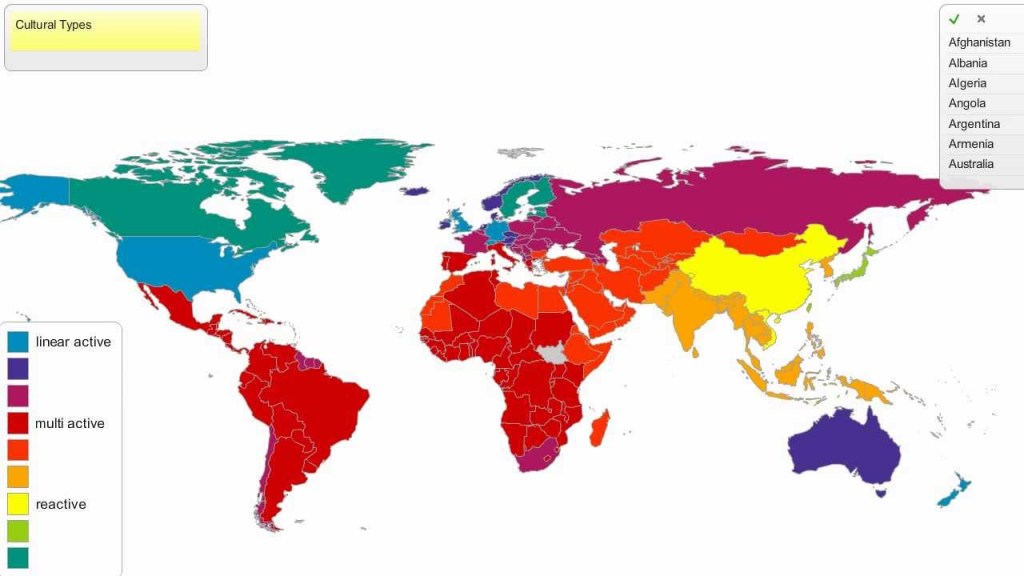
In this section I will be talking about how is categorized Congolese culture through The Lewis Model. This categorized countries in three cultures: Linear-Active (task-oriented), Multi-Active (people-oriented), and Reactive (respect-oriented listener). This model it is very useful in business, but we can use to understand better a culture and has an idea about what characteristics they have.
When I read about this model, the first to come to my mind was “Congolese people look like happy people so Congolese people is a Multi-active Culture” and I was right, but not exactly because of those reasons. Right now, after read a lot of information about this country, I can explain you the real reasons why DR Congo belong to this culture.
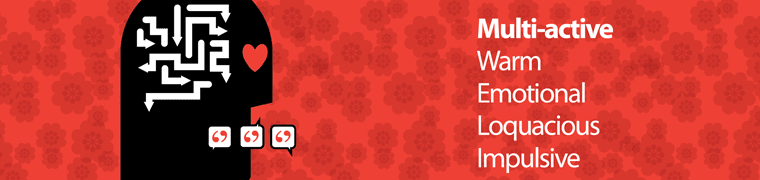
First of all, what are Multi-Active Cultures? They are cultures which people are talkative, impulsive types who attach great importance to feelings, relationships and people-orientation: Congolese people tend to be very lively and engaged, and women as well as men ask many questions in a conversation. They like to do many things at the same time and they do not like agendas or strict schedules because they feel confined, they like to be more spontaneous. A Congolese conversation is animated, usually Congolese people display striking optimism and a strong determination, and they try to speak and listen at the same time. Interruptions are frequent and pauses in conversation are few because they feel uncomfortable with silence.
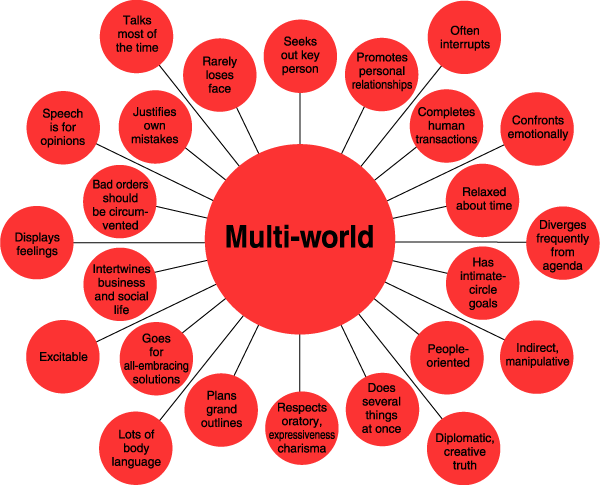
Characteristics of a Multi-Active Culture like DR
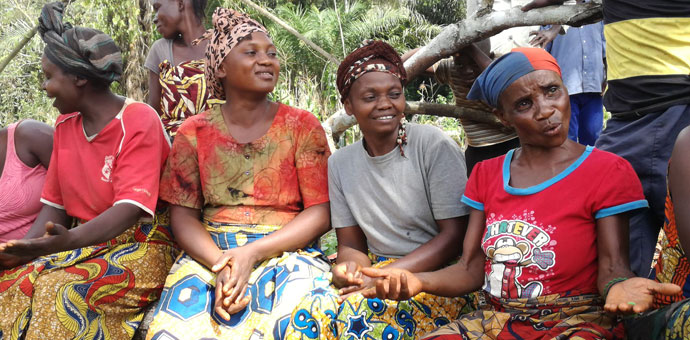
The foundations of Congolese Culture as a Multi-Active Culture are related with their values and the importance of collectivism, the traditional forms of social and economic solidarity instead the individuality. Defending the interests of the community is a duty for all, including children. Congolese people remain a resilient, fun-loving bunch with high regard for culture and traditions. They uphold their identity and heritage may often call a distant family member (or even someone not related by blood) their son, daughter, brother, or sister (Resettlement agency staff, 2014).
Now, imagine a Congolese student who comes to Barranquilla-Colombia, do you think he or she will has big troubles because of the differences between those cultures? Based on Lewis Model don`t, it turns out that Colombia is too a Multi-Active Culture. Likely, in a study meeting, both Congolese and Colombian are late, one of them eating his/her lunch and the other one in a call talking about a presentation unfinished. Both of them will want to talk the majority of time, impatient to talk again instead listen, confronted emotionally whit lot of body language, and displayed feelings. They will be extremely dialogue-oriented and will wish to obtain their information directly. Also, our two friends could have many characteristics in common: extroverts, leaders, loquacious, multi-tasks, emotional people, excitable people, diplomatic people, and not organized people.
To summarize, The Lewis Model show us characteristics of people according to the culture which the country belongs. It helps us to understand better the culture of a country. For the case, DR Congo is categorized as a Multi-Active Culture: people-oriented. Colombia is too. It is the reason why we can to say the interaction between people from these countries could be easier than people different cultures according to The Lewis Model.
References

-Resettlement agency staff, s. p. (2014, January). Refugees from the Democratic Republic of the Congo. 12. (Z. C. Sanja Bebic, Interviewer, & D. A. Ranard, Editor) United States of America: Cultural Orientation Resource Center.

-Richard LewisCommunications. (n.d.). CrossCulture. Retrieved March 11, 2020, from know culture for better business: https://www.crossculture.com/about-us/the-model/multi-active/

